Why AI Loves Emojis
- #ai
- #ux
- #interfaces
- #design
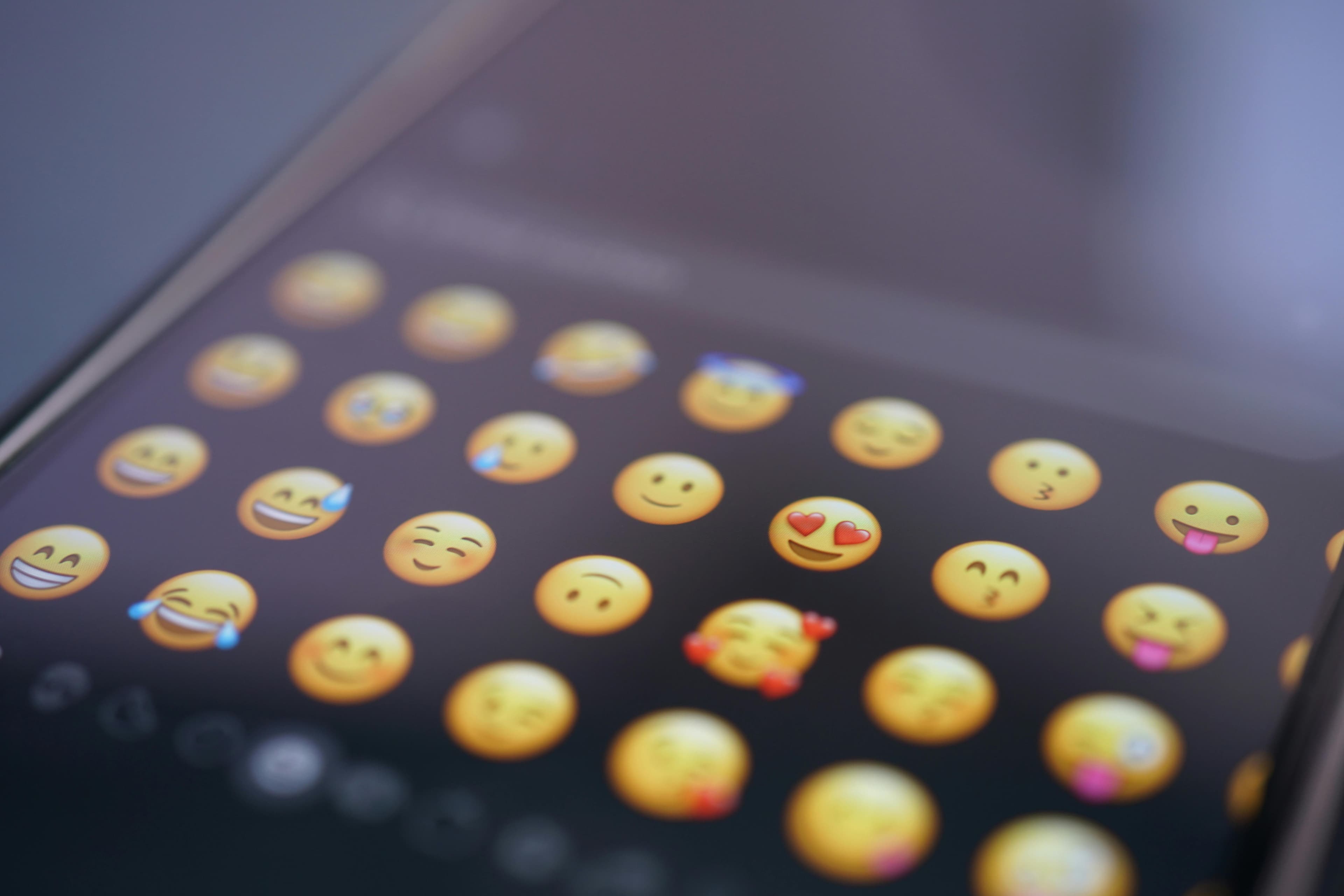
TL;DR: Emojis aren't decoration. They're compression. AI uses them because humans rely on emotional cues far more than we admit -- especially in text-based interfaces.
If you've spent any time using AI tools, you've probably noticed something:
They love emojis.
Even when you ask them not to.
Even in "professional" contexts.
Even when it feels... unnecessary.
So what's going on here? Is it just cringe? Is it a Silicon Valley optimism problem? Or is something more interesting happening?
It turns out: this is less about emojis -- and more about how humans read, feel, and interpret interfaces.
Text is emotionally incomplete
Plain text is a pretty terrible medium for conveying tone.
There's no facial expression.
No pacing.
No body language.
Which means every sentence carries ambiguity:
- Is this confident or arrogant?
- Friendly or sarcastic?
- Done... or still open-ended?
Communication researchers have pointed this out for decades. Text strips away paralinguistic cues -- the non-verbal signals that help us interpret intent.
Emojis act as emotional scaffolding. One character can clarify what a paragraph might not.
AI didn't start this trend. It inherited it.
Emojis are emotional compression
One emoji can encode:
- intent
- friendliness
- emphasis
- reassurance
- finality
That's an absurd compression ratio.
Research in computer-mediated communication shows that emojis reduce perceived ambiguity, increase warmth, and help recipients interpret emotional intent more accurately than text alone. Some studies even show emojis activating similar neural pathways to facial expressions.
From a systems perspective, emojis are doing exactly what good interfaces do:
Reduce interpretation cost.
AI is optimizing for misunderstanding prevention
AI systems are trained on massive amounts of human conversation -- emails, chats, support tickets, forums, comments.
Those spaces are full of misunderstanding.
So AI learns a simple lesson: unclear tone leads to confusion, frustration, and disengagement.
Emojis are a cheap, low-risk way to bias toward friendliness, clarity, and reassurance. They're not there to be cute. They're there to fail safer.
This is an interface decision, not a personality quirk
Every interface answers an unspoken question:
How should I feel right now?
Buttons answer it.
Spacing answers it.
Motion answers it.
Error states answer it.
Emojis just answer it loudly.
AI defaults to warmth because warmth buys patience. UX research consistently shows that users are more forgiving of errors when interfaces feel friendly and intentional.
When emojis hurt UX
Of course, emojis can backfire.
They fail when they're overused, mismatched with context, or undermine seriousness. This creates what I think of as tone debt -- choosing emotional defaults that quietly erode trust over time.
Context matters more than correctness.
What this changed about how I design frontends
Once you notice this, you can't unsee it.
Tone isn't just words. It's spacing. Motion. Defaults. Focus states. How fast things respond. What happens when something goes wrong.
You can build a technically correct UI that still feels hostile.
You can also build a calm, forgiving one that people trust.
Users feel the difference immediately -- even if they can't explain why.
The real lesson
People don't just read interfaces.
They interpret them.
They react emotionally -- often without realizing it.
AI uses emojis because humans need emotional context more than we like to admit.
Good UX doesn't impress you.
It reassures you.
And sometimes, all that reassurance takes is one tiny symbol saying:
"Hey -- this is friendly." :)